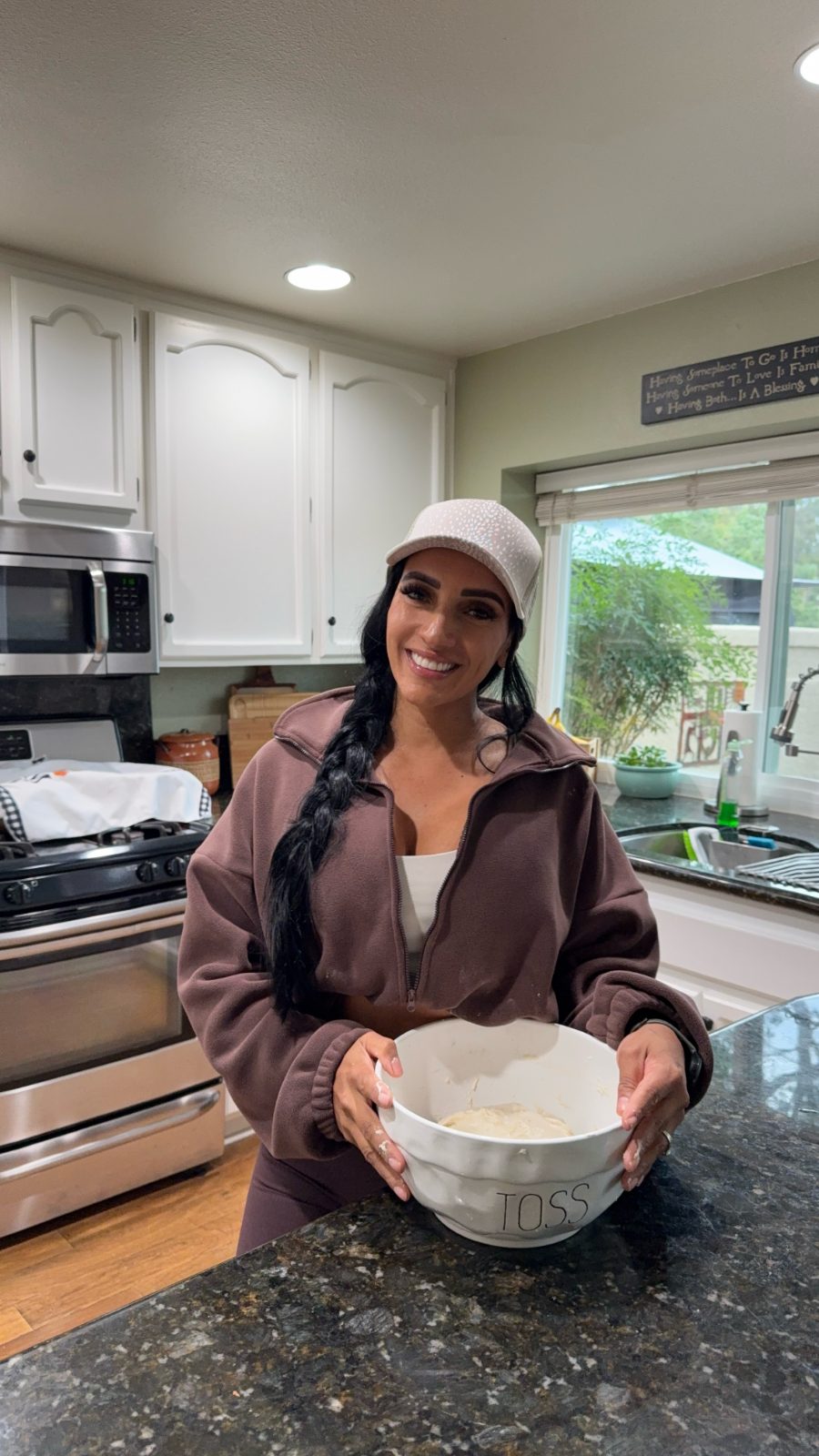
Sourdough has a reputation for being fussy and intimidating, like something only a patient grandma or a food blogger with a marble counter could pull off. I'm here to tell you the truth: it's flour, water, salt, and time. If I can do it, so can you.
📌 Save to PinterestI'm Paola, and outside of camping and archery, I try to live a little old-fashioned on purpose, a garden out back, whole foods on the table, and sourdough rising on the counter. Baking bread from scratch scratches the same itch that the outdoors does: slowing down, using my hands, and making something real instead of buying it wrapped in plastic.
What a sourdough starter actually is
A starter is just flour and water left out to catch the wild yeast that's already in the air and in the flour. Feed it, and it bubbles to life. That living culture is what makes your bread rise, no store-bought yeast needed. People name theirs like a pet. It sounds like magic, but it's really just biology doing its thing while you go about your day.
Why I think it's worth it
- Real, simple ingredients. Flour, water, salt. No list of things you can't pronounce.
- Easier to digest for a lot of people than regular store bread, thanks to the long, slow fermentation.
- It's calming. The rhythm of feeding, folding, and waiting is a little daily reset, like a walk in the woods, but in your kitchen.
- The kids love it. They get to name the starter, watch it bubble, and feel proud of bread the family actually made.
How to start (the honest, beginner version)
- Make a starter: mix equal parts flour and water in a jar, and feed it a little each day. In about a week it'll be bubbly and alive.
- Don't chase perfect: your first loaves might be flat or dense. Mine were. They still taste amazing with butter.
- Work it around your life: the dough waits for you in the fridge. You don't have to babysit it.
- Keep it simple: one jar, one bowl, one loaf. You don't need fancy gear to begin.
Want my beginner sourdough guide? 🍞
I'm putting together a simple, printable "Sourdough from Scratch" starter guide, the schedule, the first recipes, and the tips I wish I'd had. Join the free list and you'll be the first to know when it's ready.
Join the list →You don't need a fancy kitchen or a lifetime of practice, just a jar, a little flour, and the willingness to try. Making your own bread is one of the most grounding, satisfying things I do. It doesn't have to be perfect. It just has to happen. 🌾